Guillain-Barré Syndrome
Guillain-Barré Syndrome
Guillain Barré Syndrome, commonly known as GBS, is a rare neurological condition in which the body’s immune system mistakenly attacks the peripheral nerves. These nerves carry signals between the brain, spinal cord, and the muscles, allowing us to move, feel sensations, and perform everyday activities. When these nerves become inflamed, the communication between the brain and the muscles becomes weaker, leading to muscle weakness and other physical difficulties. GBS often develops suddenly, and many people notice that the symptoms progress over a few days or weeks. Although the condition can feel frightening, many individuals recover well with appropriate medical care and structured rehabilitation.
In many cases, Guillain Barré Syndrome develops after a viral or bacterial infection. The immune system, which normally protects the body from illness, accidentally attacks the covering of the nerves instead. This slows down the transmission of nerve signals and affects muscle function. The severity of the condition varies from person to person. Some individuals experience mild weakness, while others may temporarily lose the ability to walk or perform everyday activities independently. In more severe cases, breathing muscles may also be affected, requiring intensive medical care during the early stages of the illness.
The symptoms of Guillain Barré Syndrome usually begin with tingling or numbness in the feet or hands. This is often followed by weakness that gradually spreads upward through the legs and sometimes into the arms. People may find it difficult to climb stairs, stand up from a chair, lift objects, or walk without support. Balance may become affected, and muscles can feel heavy or unusually weak. Some individuals also experience pain, reduced reflexes, fatigue, or difficulty with facial movements and swallowing. Because the condition can progress rapidly, early medical attention is extremely important.
At NeuroWalk, we understand that recovering from Guillain Barré Syndrome requires patience, consistency, and a carefully planned rehabilitation program. We begin with a comprehensive assessment to evaluate muscle strength, balance, coordination, endurance, joint mobility, walking ability, and overall functional independence. We also understand the individual’s personal goals so that rehabilitation remains meaningful and focused on improving daily life.
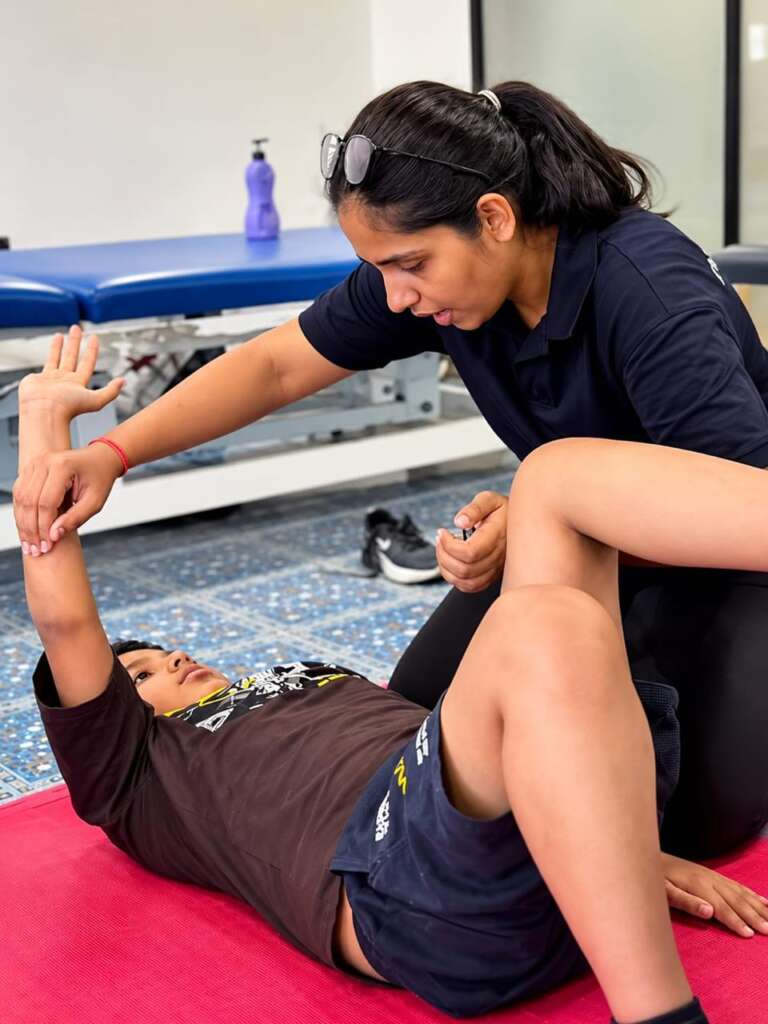
Our neurophysiotherapy program is designed to help individuals regain strength safely without causing excessive fatigue. During the early stages of recovery, exercises are introduced gradually because overworking weak muscles can delay progress. Treatment may include strengthening exercises, balance training, gait training, coordination activities, flexibility exercises, posture correction, and functional task practice. As strength improves, the rehabilitation program is progressed step by step to improve endurance and confidence while performing everyday activities.
Walking is often one of the biggest goals for people recovering from Guillain Barré Syndrome. Many individuals initially require support to stand or walk because of muscle weakness and poor balance. At NeuroWalk, we provide structured gait training that focuses on improving stability, walking efficiency, endurance, and confidence. Every achievement, whether it is standing independently, walking a few steps, or climbing stairs again, represents meaningful progress during the recovery journey.
Fatigue is one of the most common challenges during recovery from GBS. Even after muscle strength begins to return, many individuals feel physically exhausted after simple activities. Learning how to balance exercise with adequate rest is an important part of rehabilitation. We carefully monitor exercise intensity and teach energy management strategies that help individuals continue improving without becoming overly fatigued.
Family support plays a significant role throughout recovery. Encouragement from loved ones helps individuals remain motivated during a rehabilitation process that may sometimes feel slow. We also educate caregivers about safe mobility techniques, home exercises, and ways to support independence while ensuring safety at home. This partnership between the rehabilitation team, the individual, and the family helps create the best possible environment for recovery.
At NeuroWalk, our goal is to help every individual recovering from Guillain Barré Syndrome regain strength, restore mobility, and return to an active and independent life. Through evidence based neurophysiotherapy, personalised rehabilitation, and compassionate care, we support each stage of the recovery process. With consistent therapy, regular practice, and the right guidance, many people with Guillain Barré Syndrome continue to make remarkable improvements and successfully return to the activities that matter most to them.