Myelopathy
Myelopathy
Myelopathy is a neurological condition that occurs when the spinal cord becomes compressed or damaged. The spinal cord is one of the most important parts of the nervous system because it carries messages between the brain and the rest of the body. When pressure is placed on the spinal cord, these messages cannot travel normally, leading to changes in movement, sensation, balance, and coordination. Myelopathy can develop gradually over time due to age related changes in the spine, slipped discs, arthritis, spinal canal narrowing, tumors, infections, or injuries. Since the condition often progresses slowly, many people do not realise the seriousness of their symptoms until everyday activities become difficult. Early diagnosis and timely rehabilitation are important for preventing further decline and improving function.
The symptoms of myelopathy vary depending on the level of the spinal cord that is affected. People with cervical myelopathy, which involves the neck region, may experience weakness in both the arms and legs, difficulty using their hands, reduced grip strength, numbness, tingling, poor balance, and an unsteady walking pattern. Individuals with thoracic myelopathy may notice weakness or stiffness in their legs, difficulty walking, and problems with balance. Some people also experience muscle tightness, reduced coordination, changes in bladder or bowel function, or difficulty performing fine hand movements such as writing or buttoning clothes.
Many people describe feeling clumsy or unsteady without understanding why. They may trip more often, struggle to walk on uneven surfaces, or find that simple tasks take much longer than before. Climbing stairs, standing from a chair, carrying groceries, or walking long distances may become challenging. Because the symptoms often develop gradually, many individuals adjust to these changes without realising that they are signs of spinal cord compression. Seeking medical advice early can make a significant difference in long term outcomes.
Treatment for myelopathy depends on the underlying cause and the severity of spinal cord compression. Some individuals require surgery to relieve pressure on the spinal cord, while others may be managed with conservative treatment and rehabilitation. Whether surgery has been performed or not, neurophysiotherapy plays an important role in helping individuals regain movement, improve balance, and restore functional independence.
At NeuroWalk, we understand that every individual with myelopathy experiences different symptoms and challenges. We begin with a comprehensive assessment to evaluate muscle strength, joint mobility, balance, coordination, posture, walking ability, sensation, and overall functional performance. We also understand how the condition is affecting the person’s daily routine and personal goals. Based on this assessment, we develop a personalised rehabilitation program that focuses on meaningful improvements in daily life.
Our neurophysiotherapy program aims to improve strength, balance, coordination, flexibility, and walking ability through evidence based rehabilitation techniques. Treatment may include gait training, balance exercises, strengthening exercises, posture correction, coordination training, stretching, and functional movement practice. The rehabilitation program is progressed gradually according to the individual’s condition and recovery. Every exercise is carefully selected to improve movement while maintaining safety and comfort.
Walking difficulties are one of the most common concerns in myelopathy. People often feel that their legs are stiff, heavy, or difficult to control. Through structured gait training, we help individuals improve walking efficiency, increase confidence, and reduce the risk of falls. Balance rehabilitation is equally important because spinal cord compression can affect body awareness and stability. Practising balance in a safe environment allows individuals to regain confidence before returning to everyday activities.
Education is an important part of rehabilitation. Understanding the condition helps individuals recognise the importance of maintaining good posture, staying physically active, and following their prescribed rehabilitation program. We also provide guidance on safe movement strategies and home exercises that support continued improvement between therapy sessions. Consistency is one of the most important factors in achieving the best possible outcomes.
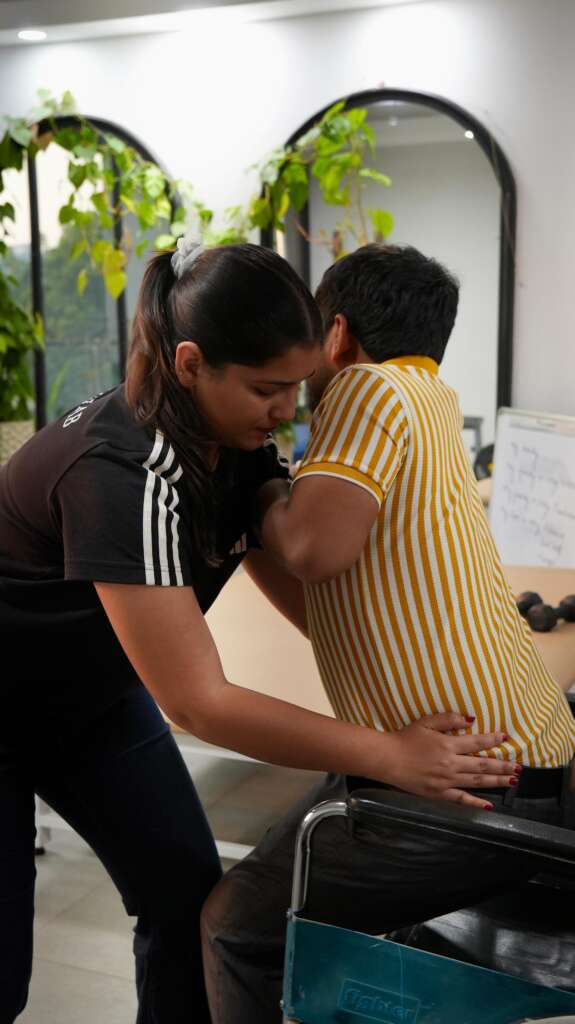
Family involvement can make a significant difference during recovery. Loved ones often provide valuable encouragement and assistance while individuals work towards regaining independence. We educate caregivers about safe mobility techniques, transfers, and home modifications whenever needed. This helps create a supportive environment that encourages recovery while maintaining safety.
At NeuroWalk, our goal is to help individuals with myelopathy improve their mobility, restore confidence, and achieve greater independence in their daily lives. Through evidence based neurophysiotherapy, personalised rehabilitation, and compassionate care, we support each stage of recovery with treatment plans designed around individual needs and goals. Whether the condition is being managed conservatively or after surgery, consistent rehabilitation can make a meaningful difference in improving movement, reducing physical limitations, and enhancing overall quality of life.