Multiple Sclerosis
Multiple Sclerosis
Multiple sclerosis, often called MS, is a neurological condition that affects the brain and spinal cord. It develops when the body’s immune system mistakenly attacks the protective covering around the nerves, known as myelin. This damage slows down or interrupts the messages travelling between the brain and the rest of the body. As a result, people with multiple sclerosis may experience a wide range of symptoms that can change over time. Every individual experiences MS differently, which is why no two people have exactly the same journey. While the condition cannot currently be cured, the right rehabilitation can help people manage their symptoms, improve their physical function, and maintain their independence.
Many people are diagnosed with multiple sclerosis during early or middle adulthood. In some individuals, symptoms may come and go with periods of improvement followed by new episodes. Others may notice a gradual increase in their symptoms over time. The condition can affect movement, sensation, balance, vision, coordination, and even energy levels. Since the symptoms vary so much from one person to another, it is important to have a personalised rehabilitation plan that addresses individual needs and goals.
One of the most common symptoms of multiple sclerosis is muscle weakness. People may find it difficult to walk long distances, climb stairs, or stand for extended periods. Some individuals experience stiffness in their muscles, while others notice poor balance, unsteady walking, or difficulty coordinating their movements. Fatigue is another symptom that many people with MS describe as one of the biggest challenges. It is not simply feeling tired after a busy day but a deep level of exhaustion that can affect both physical and mental activities. Some people may also experience numbness, tingling, changes in sensation, blurred vision, dizziness, or difficulty with fine hand movements.
Living with multiple sclerosis often means adjusting to changes that may affect work, family life, hobbies, and everyday activities. Simple tasks such as dressing, cooking, writing, or carrying groceries may require more effort than before. These physical challenges can also affect emotional wellbeing, making it important to address both movement and confidence during rehabilitation. Understanding the condition and learning how to manage symptoms can help individuals feel more in control of their daily lives.
At NeuroWalk, we understand that rehabilitation for multiple sclerosis should never follow the same approach for every person. We begin with a detailed assessment to understand how the condition is affecting mobility, strength, balance, coordination, posture, endurance, and daily function. This allows us to develop a personalised treatment plan that supports the individual’s current abilities while preparing them for future challenges.
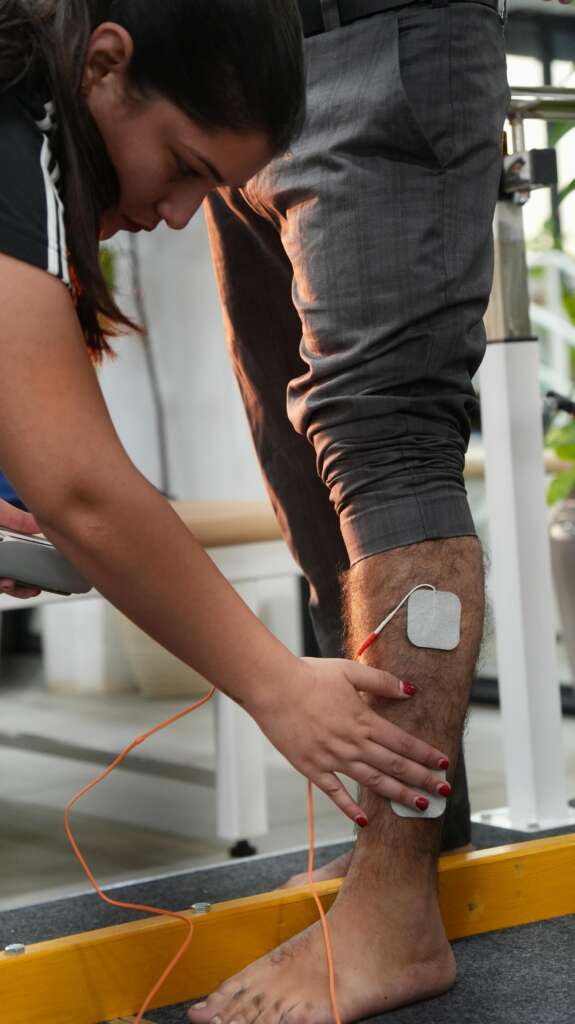
Our neurophysiotherapy program focuses on helping people move more efficiently, improve balance, build strength, and increase endurance without causing unnecessary fatigue. Treatment may include gait training, balance exercises, coordination training, strengthening exercises, flexibility training, and functional movement practice. We also teach energy conservation strategies so that individuals can perform their daily activities more comfortably while managing fatigue effectively. Every rehabilitation session is carefully planned to match the person’s physical capacity and recovery goals.
Maintaining regular physical activity is one of the most important parts of managing multiple sclerosis. Evidence shows that appropriate exercise can improve mobility, muscle strength, cardiovascular fitness, balance, and overall quality of life. It can also help reduce stiffness and improve confidence during daily activities. At NeuroWalk, we encourage safe and structured exercise that is progressed gradually according to each individual’s abilities and symptoms.
Balance and walking difficulties are common concerns for many people with MS. Some individuals may feel unsteady while walking, especially on uneven surfaces or when changing direction. Others may notice that they become tired after walking only short distances. Through personalised gait training and functional rehabilitation, we help individuals improve their walking pattern, reduce the risk of falls, and increase confidence while moving both indoors and outdoors.
Rehabilitation is an ongoing journey rather than a short term treatment. The symptoms of multiple sclerosis may change over time, which means the rehabilitation program should also be adapted as needed. Regular assessments help ensure that therapy continues to address the individual’s current needs and supports long term function. We also work closely with family members to educate them about the condition and provide practical guidance that helps support the individual’s independence at home.
At NeuroWalk, our goal is to help people with multiple sclerosis stay active, confident, and independent for as long as possible. Through evidence based neurophysiotherapy, personalised rehabilitation, and compassionate care, we aim to improve movement, reduce physical limitations, and enhance overall quality of life. While every person’s journey with MS is unique, consistent rehabilitation and the right support can make a meaningful difference in helping individuals continue doing the activities that matter most to them.