Motor Neuron Disease
Motor Neuron Disease
Motor Neuron Disease, often referred to as MND, is a progressive neurological condition that affects the nerve cells responsible for controlling voluntary muscle movements. These nerve cells, called motor neurons, carry signals from the brain and spinal cord to the muscles, allowing us to walk, speak, swallow, breathe, and perform everyday activities. As these nerve cells gradually become damaged, the muscles receive fewer signals and begin to weaken over time. Although Motor Neuron Disease is a long term condition, early rehabilitation and supportive care can help individuals maintain their independence, improve their quality of life, and manage symptoms more effectively.
The symptoms of Motor Neuron Disease develop differently in every individual. Some people first notice weakness in their hands, making it difficult to hold objects, write, or button a shirt. Others may experience weakness in the legs, causing difficulty walking, climbing stairs, or maintaining balance. Some individuals develop changes in speech or swallowing, while others notice frequent muscle cramps, twitching, or stiffness. As the condition progresses, daily activities that once seemed simple may require greater effort. However, the rate of progression varies from person to person, which is why treatment and rehabilitation should always be personalised.
Living with Motor Neuron Disease can affect both physical and emotional wellbeing. As muscles become weaker, individuals may find it more difficult to continue working, participate in hobbies, or manage routine household activities. Fatigue is also common, and many people feel physically exhausted after performing simple tasks. These changes can sometimes lead to frustration, anxiety, or a loss of confidence. Receiving the right support from healthcare professionals, family members, and rehabilitation specialists can make a meaningful difference throughout the journey.
At NeuroWalk, we understand that every individual with Motor Neuron Disease has unique challenges and personal goals. Our rehabilitation begins with a comprehensive assessment of muscle strength, joint mobility, balance, posture, walking ability, endurance, respiratory function, and daily activities. This helps us design a personalised treatment plan that adapts to the individual’s current abilities while preparing for future changes that may occur as the condition progresses.
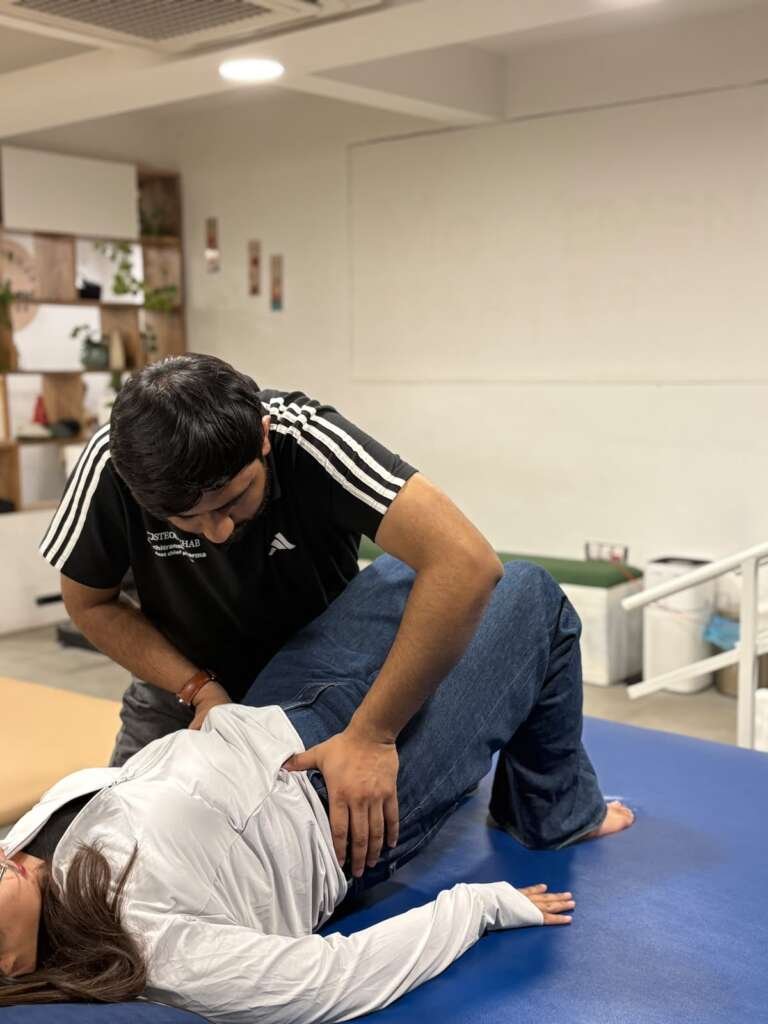
Our neurophysiotherapy program includes gentle strengthening exercises where appropriate, flexibility training, posture correction, balance exercises, gait training, breathing exercises, and functional movement practice. Maintaining joint mobility is especially important because reduced movement over time can lead to stiffness and discomfort. We also focus on energy conservation strategies, helping individuals perform daily activities more efficiently while reducing unnecessary fatigue. Every exercise program is adjusted regularly according to the individual’s condition and tolerance.
Walking and balance often become more challenging as Motor Neuron Disease progresses. Some individuals may initially require only minor support, while others may eventually benefit from mobility aids to improve safety and independence. At NeuroWalk, we provide gait training and balance rehabilitation that focuses on maintaining safe movement for as long as possible. We also guide individuals and families in selecting appropriate mobility strategies that support independence while reducing the risk of falls.
Education is an essential part of rehabilitation. Understanding how the condition changes over time helps individuals and their families prepare for future needs without feeling overwhelmed. We work closely with caregivers to provide practical advice on safe transfers, positioning, home exercises, and strategies that make everyday activities easier. This collaborative approach helps individuals remain comfortable and maintain their quality of life throughout different stages of the condition
Rehabilitation for Motor Neuron Disease is not about measuring success only through muscle strength. It is about helping people continue doing the activities that are meaningful to them for as long as possible. Small improvements in posture, mobility, comfort, and independence can have a significant impact on daily life. Regular follow up sessions allow rehabilitation goals to be modified as the individual’s needs change, ensuring that therapy remains effective and relevant.
At NeuroWalk, our goal is to provide compassionate, evidence based neurophysiotherapy that supports individuals living with Motor Neuron Disease at every stage of their journey. We focus on preserving function, improving comfort, maintaining mobility, and helping people remain as independent as possible. Through personalised rehabilitation, consistent guidance, and family centred care, we strive to improve quality of life and support every individual with dignity, confidence, and respect